

From Vine to Home: A Complete Guide to Growing and Processing Luffa into Natural Sponges
Natural sponges made from luffa offer an eco-friendly alternative to synthetic scrubbers. Preventing more microplastics in our water systems, luffa sponges are a great alternative. Growing your own luffa vine and turning the mature fruits into sponges can be a rewarding project that combines gardening with sustainable living. This guide walks you through the entire process, from planting luffa seeds to preparing and using your natural sponges at home.

Choosing the Right Luffa Variety and Preparing to Plant
Luffa, sometimes called loofah, belongs to the cucumber family and grows as a fast-climbing vine. There are several varieties, but the most common for sponge-making is Luffa aegyptiaca or Luffa cylindrica. These produce long, fibrous fruits ideal for natural sponges.
Selecting Seeds
Purchase seeds from a reputable supplier to ensure good germination and save your seeds for next year if they are mature (black).
Choose varieties suited to your climate; luffa thrives in warm, sunny environments.
If you live in a cooler region, consider starting seeds indoors.
Preparing the Soil and Location
Luffa needs well-drained soil rich in organic matter.
Pick a sunny spot with at least 6 to 8 hours of direct sunlight daily.
Provide a trellis or sturdy support for the vine to climb, as it can grow up to 15 feet.
A bent cattle panel hoop trellis to walk under is a fun way to grow them.
Planting and Growing Luffa Vines
Starting Seeds
Soak seeds overnight to soften the hard outer shell and improve germination.
Plant seeds about 1 inch deep in seed-starting mix.
Keep soil moist and warm (around 70-85°F) for 10-14 days until sprouts appear.
Transplanting Outdoors
Once seedlings have 2-3 true leaves and outdoor temperatures stay above 60°F, transplant them.
We grow them in an unheated high tunnel to extend the growing season to reach full maturity of the fruits.
Space plants 3 feet apart to allow room for sprawling vines.
Water regularly but avoid waterlogging.
Caring for the Vines
Fertilize every 3-4 weeks with a balanced fertilizer.
Mulch around plants to retain moisture and suppress weeds.
Train vines onto the trellis, tying gently if needed.
Watch for pests like aphids and squash bugs; use organic controls if necessary.
Harvesting Luffa Fruits for Sponges
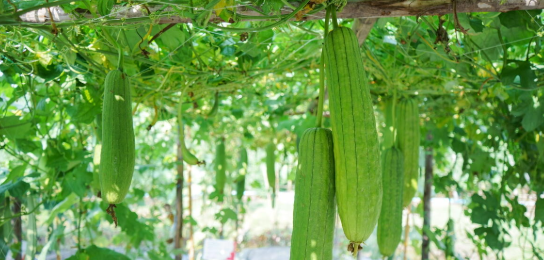
Luffa fruits take about 90 to 120 days to mature. You can harvest them at two stages depending on use:
Young fruits (green and tender) can be eaten like zucchini.
Mature fruits (yellow/brown and dry) are best for sponges.
How to Know When to Harvest for Sponges
The fruit skin turns yellowish-brown or brown.
The fruit feels light and rattles when shaken, indicating the fibrous interior has dried.
The vine and leaves may start to dry and die back.
Cut the fruits from the vine with pruning shears, leaving a small stem attached.
Processing Luffa Fruits into Natural Sponges
Step 1: Peeling the Skin
Place luffa in a freezer overnight then thaw before processing and the skin will be much easier to remove.
Peel off the outer skin by using a knife to carefully cut a shallow slit lengthwise.
Soak in warm water and squeeze the fibers to wash them well. Soap substance will naturally occur and feel slimy, leaving your hands very soft.
Remove any remaining seeds by shaking or rinsing. Save them if they are mature (black) to plant next year.
Step 2: Cleaning the Fibers
Boil the peeled luffa in water with a little baking soda for about 30 minutes to remove juice and soften fibers.
Rinse thoroughly under running water.
Allow the luffa to dry completely in a sunny, airy spot or over a wood stove.
They can get moldy if not thoroughly dry or if seeds remain.
Step 3: Cutting and Shaping
Once dry, cut the luffa into desired sizes for sponges.
You can leave them whole, in slices or cut to sew edges together for a sponge shape.
Tips for Using Luffa Sponges at Home
Natural luffa sponges are versatile and biodegradable. Here are some practical uses and care tips:
Bath and body scrubbers: Use with soap to exfoliate skin gently.
Kitchen scrubbers: Great for cleaning dishes and surfaces without scratching.
Household cleaning: Use for scrubbing sinks, tubs, and tiles.
Gardening: Use pieces to hold moisture around plants or as biodegradable seed starters.
Egg Washing: The soft scrub texture is perfect for washing eggs from your hens.
Caring for Your Luffa Sponge

Rinse thoroughly after each use.
Hang to dry in a well-ventilated area to prevent mold.
Replace every 3-4 months or when it starts to break down.
To sanitize, soak in diluted vinegar or microwave damp sponge for 20 seconds.
Benefits of Growing and Using Luffa Sponges
Eco-friendly: Reduces plastic waste from synthetic sponges.
Cost-effective: Grow your own sponges at home.
Biodegradable: Compostable after use.
Natural exfoliation: Gentle on skin and surfaces.
Educational: Great project for learning about plants and sustainability.
Find them for sale in our shop. Grown organically on our farm.
Learn more about our process growing luffa in this video.


Comments